
When you hear the word fitness, what comes to mind?
For many of us, it's about being physically fit.
Running. The gym. Strength. Endurance.
Maybe even the number on the scales or the image we see in the mirror.
And while physical fitness matters enormously, it is only part of the picture.
Because nourishing our body shapes far more than our physical health.
Regular exercise doesn't just strengthen our muscles and bones.
It improves the quality of our sleep.
Reduces the physiological effects of chronic stress.
Increases our energy.
And helps us meet the demands of everyday life.
But it also changes our brain. It improves attention and learning.
Helps us think more clearly. Supports emotional regulation.
And makes it easier to communicate with intention rather than reaction.
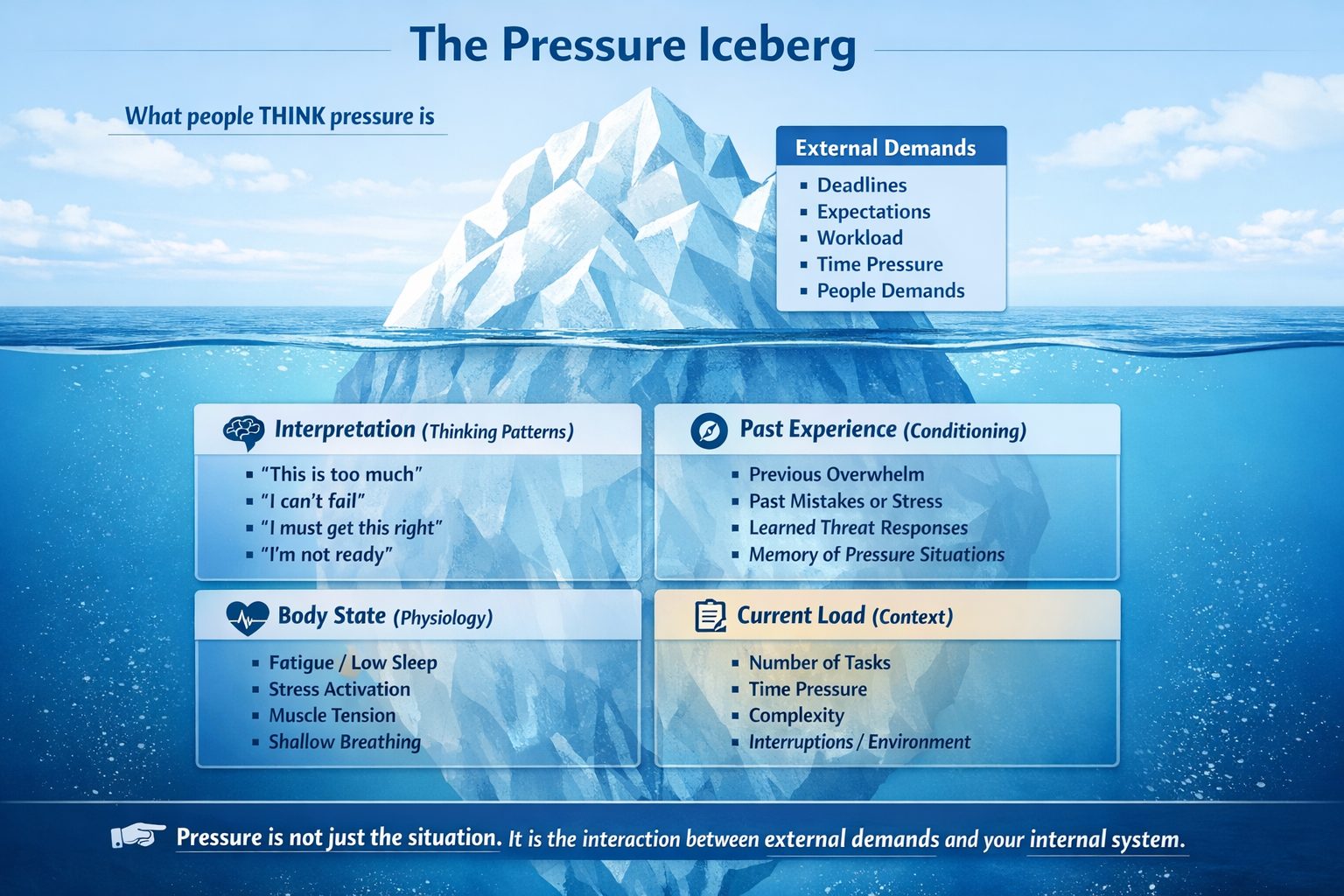
Modern neuroscience tells us something we've only begun to appreciate in recent years.
Our brain and body are not separate systems. They are constantly communicating.
How we nourish our body influences how we think. How we think influences how we feel.
How we feel influences how we behave. And how we behave shapes the quality of our lives.
Everything is connected.
Yet when we think about fitness, we almost always think about our body.
We understand that becoming physically fitter takes time.
Practice.
Consistency.
We train our muscles because we know they'll become stronger.
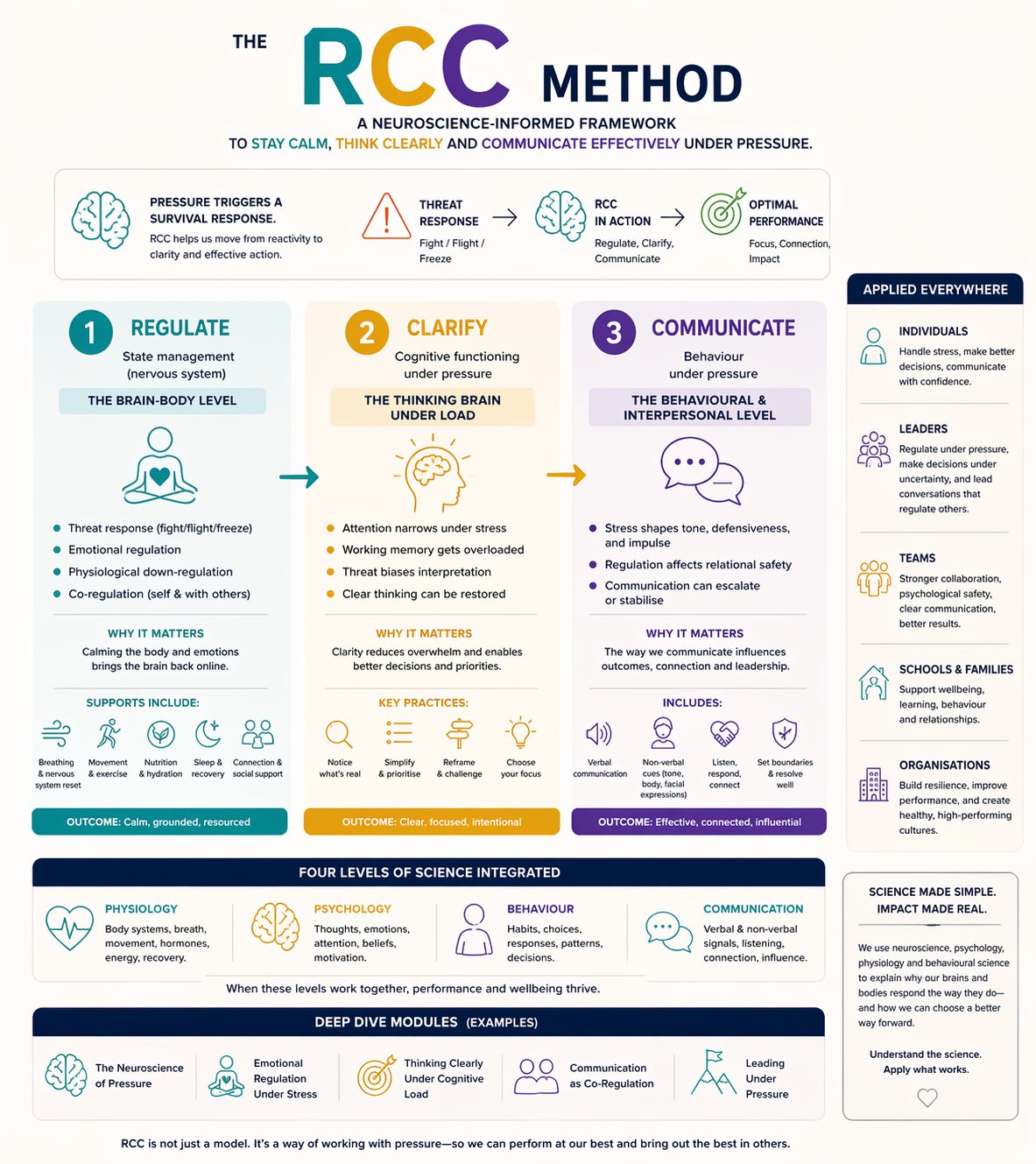
But how often do we deliberately train the way we think?
The way we regulate our emotions?
The way we communicate?
The way we respond under pressure?
Why do we expect our thinking, emotional regulation, and communication to get stronger on their own?
How could these abilities grow without intentional effort when we know physical fitness doesn't?
The good news is that they can.
Just as we strengthen our body through consistent training, we can strengthen our mental and emotional fitness too.
Because becoming fitter isn't just about training to be physically fit.
It's about training for life.
Developing the knowledge, skills, and habits to live with greater clarity.
Greater confidence.
Greater intention.
Mentally.
Emotionally.
Physically.